
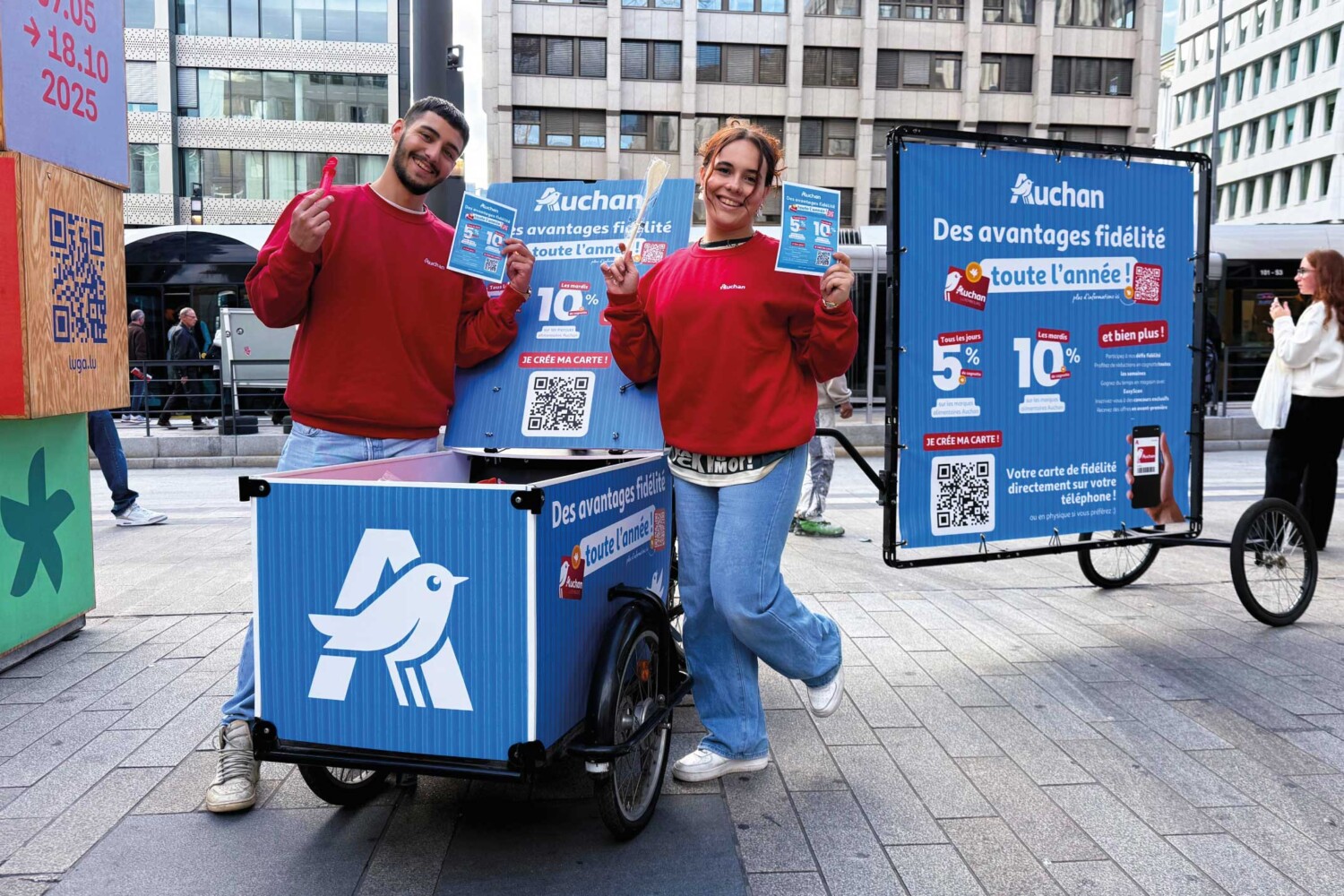
At a time when advertising budgets are massively focused on digital, an interesting phenomenon is emerging: many brands are reinvesting in public space.
This return to the field is not a coincidence.
Social media, SEO, and online advertising remain essential tools. They allow for precise audience targeting and rapid message dissemination. However, in a saturated digital environment, capturing attention for an extended period is becoming increasingly difficult.
Faced with this reality, street marketing operations and mobile display devices offer a considerable advantage: they put the brand back at the heart of consumers’ daily lives.
And sometimes, a few hours in the street are enough to create more impact than a digital campaign broadcast over several weeks.
A brand must be seen to be remembered.
Every day, we are exposed to hundreds, even thousands, of advertising solicitations.
On a smartphone, attention is fragmented. An advertisement appears, disappears, and is immediately replaced by other information. The consumer scrolls rapidly, often spending only a few seconds on any one piece of content.
On the street, the situation is different.
When an advertising medium is intelligently integrated into the urban space, it becomes part of the environment. It naturally attracts attention and often benefits from a longer exposure time.
This is precisely what explains the growing success of mobile advertising campaigns. They allow brands to be visible where their customers actually are : in city centers, shopping districts, pedestrian zones, at events or near places of high traffic.
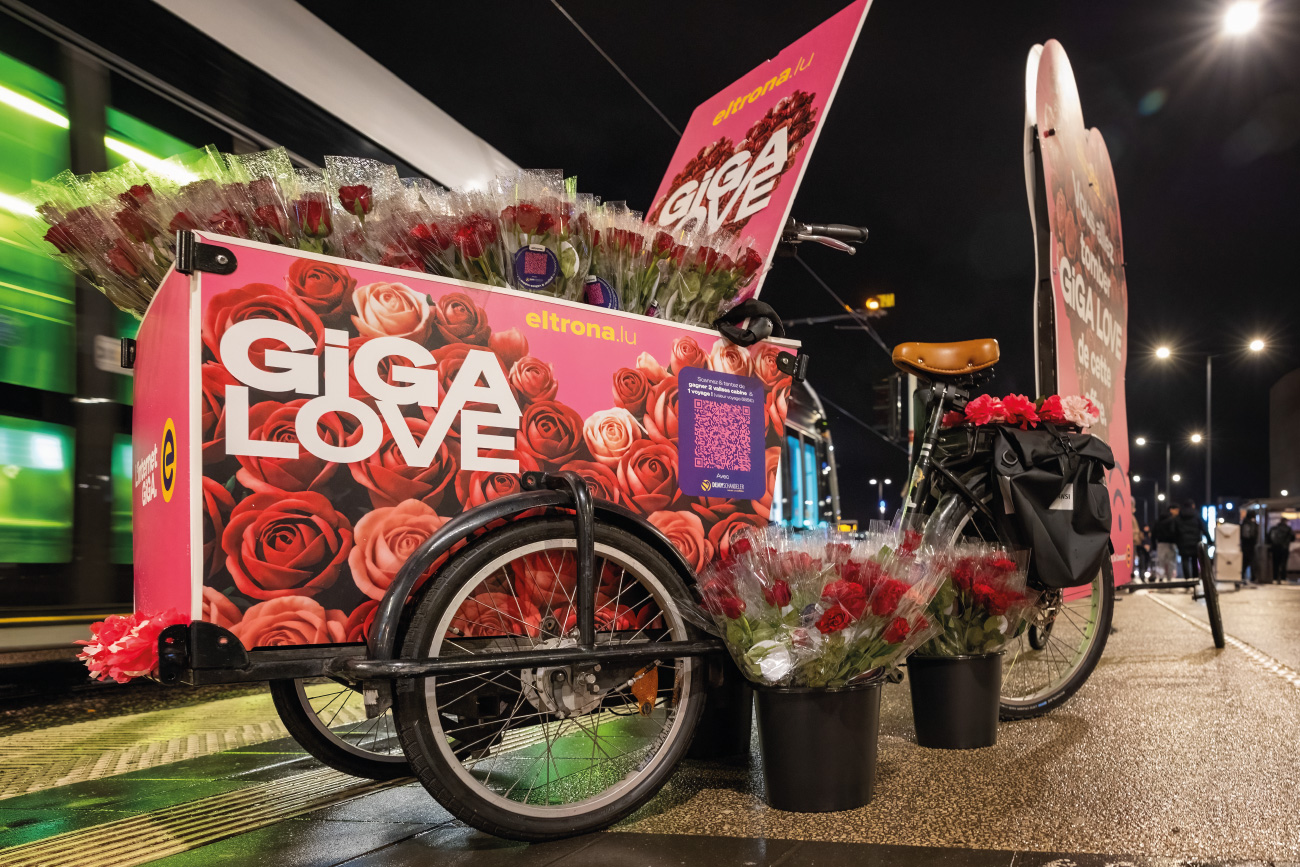
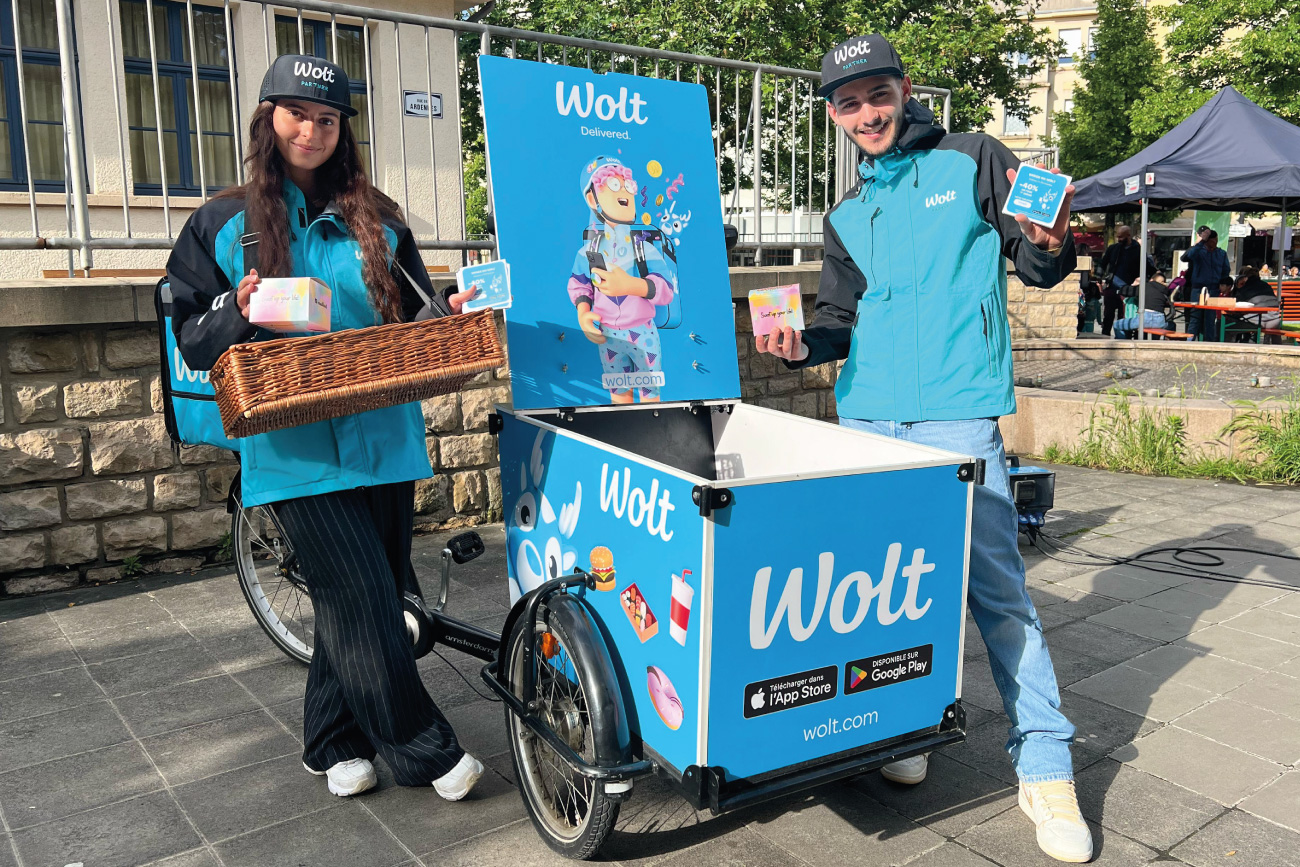
Mobile displays naturally capture attention
Movement attracts the eye. It’s a human reflex.
In an urban landscape where fixed billboards are part of the scenery, a mobile display creates a visual break. It effortlessly attracts the eye and generates immediate curiosity.
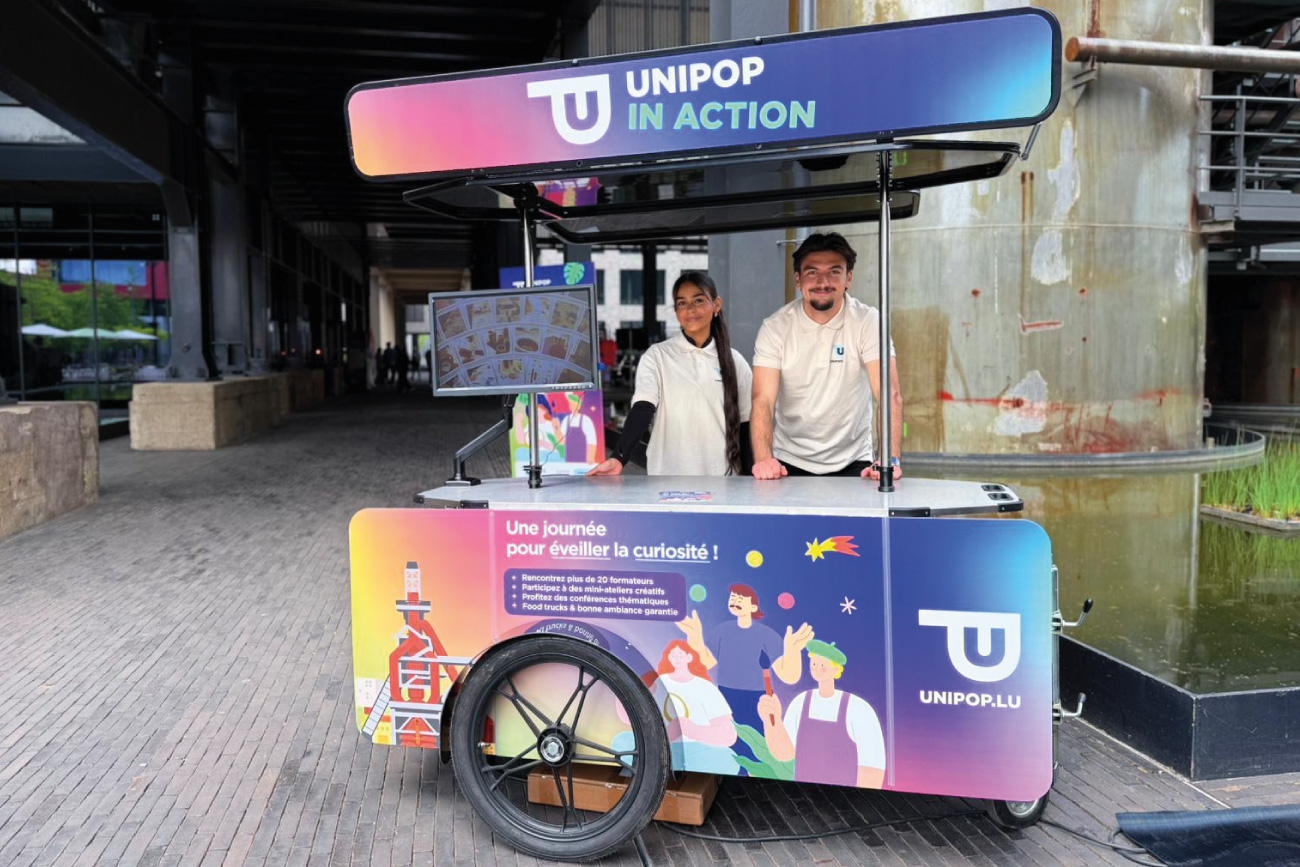
That’s the whole point of an advertising tricycle.
Unlike static displays, it moves through the heart of traffic flow. It accompanies pedestrians, crosses strategic districts, and allows the brand to directly engage with its audience.
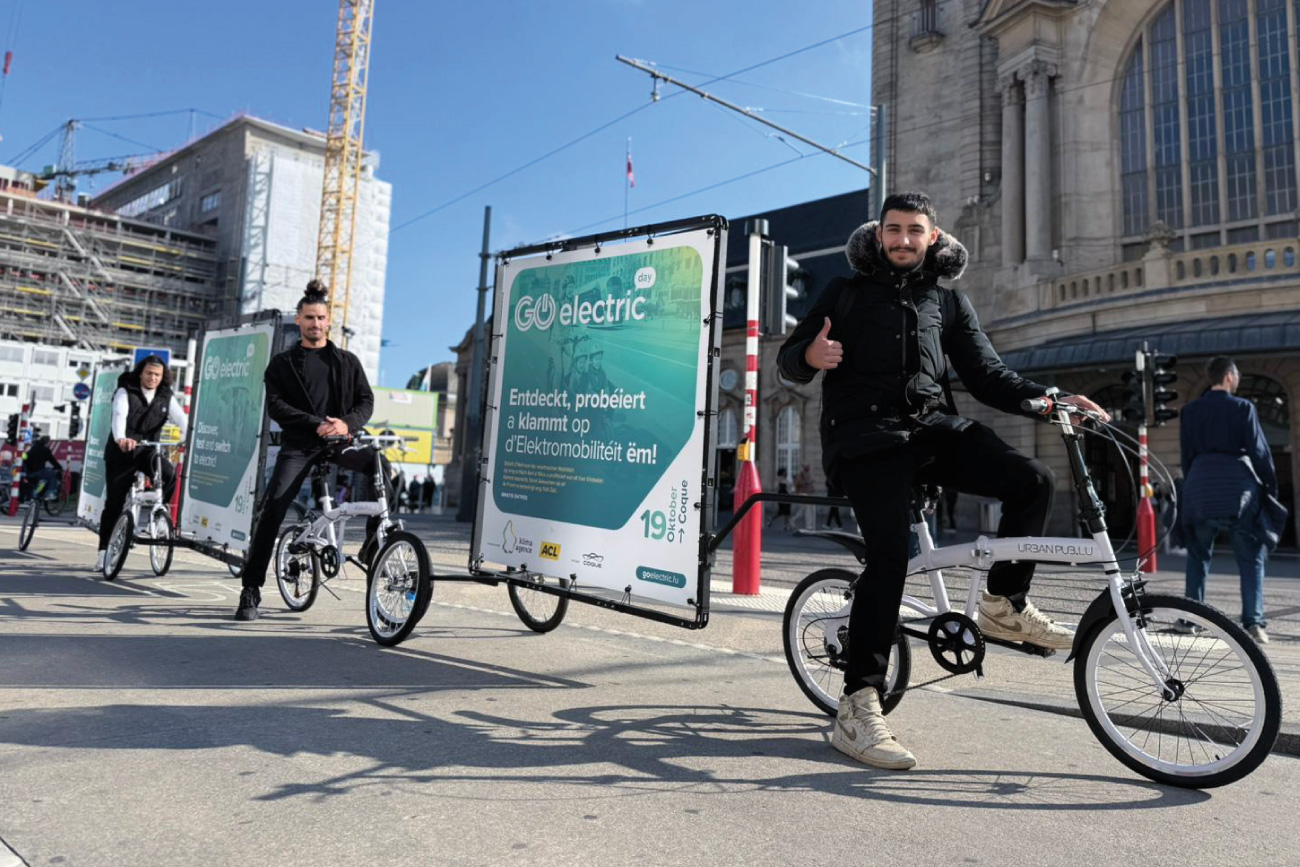
The same principle applies to mobile dual-display devices towed by bicycle or tricycle.
Thanks to their imposing size and mobility, they offer particularly effective visibility in city centers. Their presence creates a surprise effect that promotes message memorability.
In a world where attention has become a scarce resource, this ability to emerge naturally is a real advantage.
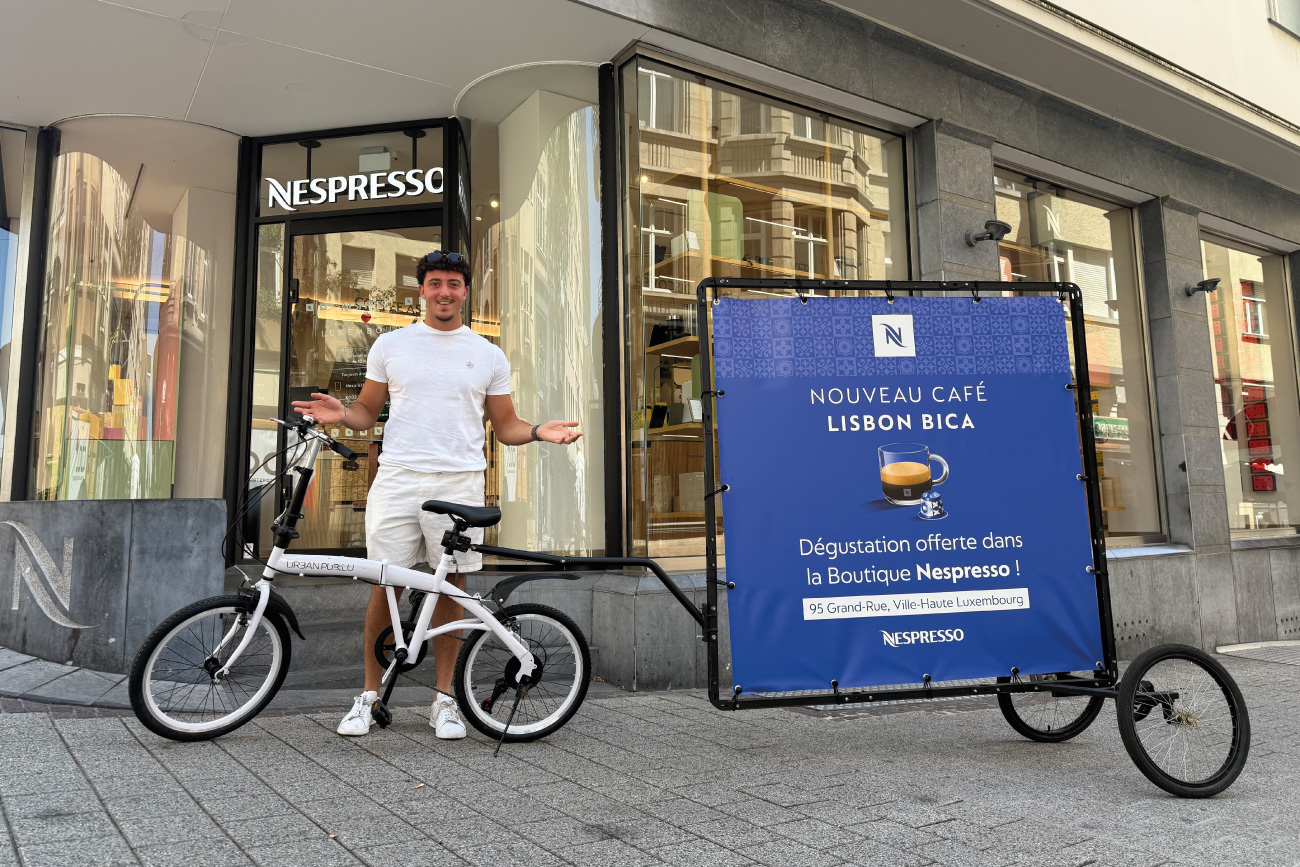
Go to the consumer rather than waiting for them
One of the main differences between digital marketing and street marketing lies in the way you connect with your audience.
On the internet, the brand generally expects the user to be connected, available, and receptive.
On the ground, she takes the initiative.
Thanks to mobile display, it becomes possible to broadcast a message directly where consumers are : at the exit of offices, in shopping streets, at a market, a festival or a sporting event.
This proximity creates a form of presence that digital technology cannot always reproduce.
The brand becomes visible in the daily lives of passers-by. It shares their environment and naturally becomes part of their journey.
This local visibility greatly contributes to strengthening brand awareness and recognition.
The event truck: much more than an advertising medium
Some operations go even further.
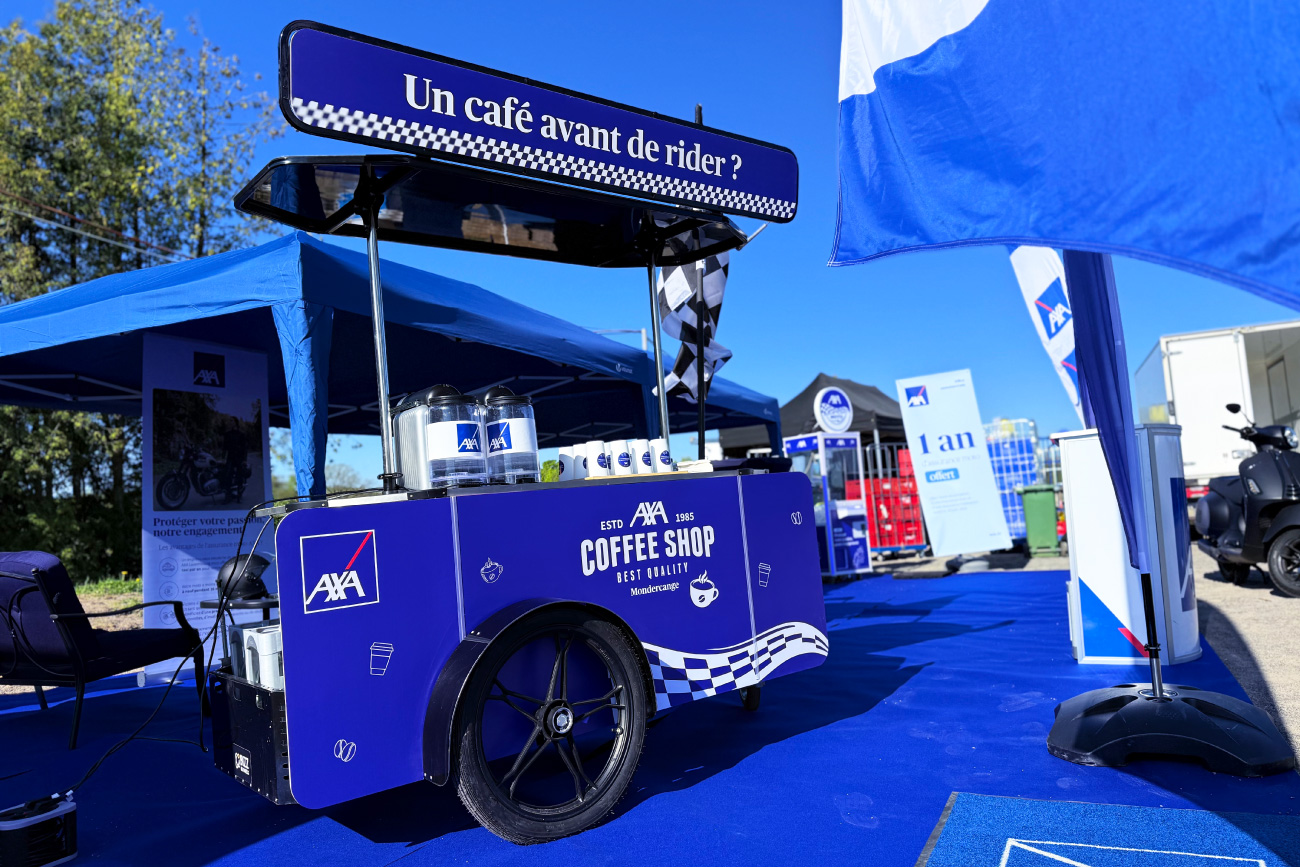
With an event truck, communication is no longer limited to a simple displayed message. It becomes an experience.
The vehicle attracts attention through its presence, size, and originality. But above all, it allows for direct interaction with the public.
Depending on the campaign objectives, it can serve as a mobile showroom, information point, demonstration space, tasting area or support for promotional activities.
This experiential dimension is particularly sought after by brands that want to create a stronger bond with their audience.
The lived experience is often more memorable than an advertisement simply glimpsed on a screen.
The street creates memories, digital technology extends them
However, it would be simplistic to oppose external communication and digital marketing.
The most successful campaigns today use both approaches in a complementary way.
Street marketing helps to capture attention, create a real experience and generate emotion.
Digital technology then makes it possible to amplify this visibility, to distribute content and to extend the conversation.
An operation carried out with an advertising tricycle or an event truck can thus produce photos, videos and interactions that will then be shared on social networks.
The street becomes the starting point.
Digital technology is becoming the relay.
This complementarity explains why many brands continue to invest in field operations despite the constant growth of online advertising.
A medium that remains impossible to ignore
In a world where consumers can block ads, ignore banners or scroll through their screens in seconds, mobile display retains a rare quality: it is visible in the real world.
An advertising tricycle circulating in a shopping street.
A mobile dual-display system that travels through the city center.
An event truck set up in the heart of an event.
All these mechanisms allow brands to exist physically in the public space and to directly connect with their audience.
This is probably one of the reasons why many companies are now returning to the fundamentals of field communication.
Because before being clicked, shared or commented on, an advertisement must first and foremost be seen.
And the street remains one of the best places to achieve this.